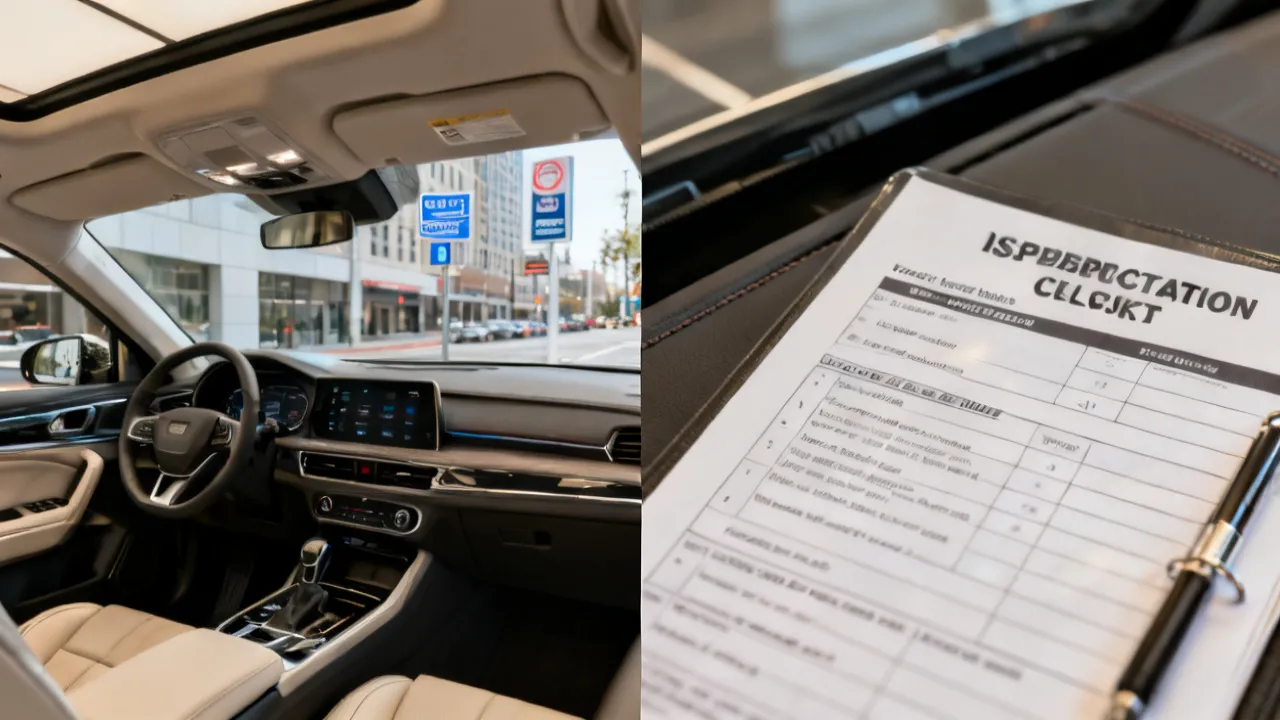
Viamar Osasco Guide to Buying a Car Nearby
Viamar Osasco-focused shopping guidance for finding reliable deals and listings nearby, including how to compare vehicle conditions, costs, and dealer credibility. Viamar Osasco is a locality-centered brand name used by shoppers as a search anchor when browsing pre-owned inventories. In practice, buyers typically evaluate inventory sources, vehicle history, and total ownership costs before making an informed purchase.

Start Here: How to Use Viamar Osasco to Find a Car Deal Nearby
If you’re searching for Viamar Osasco as your starting point, the smartest approach is to treat it like a navigation label: use it to locate inventory and then verify each vehicle’s condition, documentation, and total cost. This guide explains how to shop efficiently, avoid common pitfalls, and narrow your options to listings that top match your budget and driving needs—while keeping your research grounded in verifiable online sources.
Because car buying can feel overwhelming—especially when you’re looking for something “on sale” or “cheap”—it helps to follow a process rather than reacting to what seems attractive in a single photo or headline price. In practice, the phrase Viamar Osasco may appear as a keyword tied to a dealership location, a local inventory area, or simply a way to narrow search results to a more convenient region. No matter what it represents for you, the purchasing workflow stays the same: identify candidate vehicles, confirm details, evaluate the risk, and then negotiate using evidence.
Below, you’ll find a structured checklist, recommended ways to cross-check listings on established platforms, and step-by-step methods to determine whether the “deal” is actually fair once taxes, fees, and near-term repairs are considered. You’ll also learn what “on sale” typically means in the car world, which documents to request, and what mistakes shoppers often make when they buy quickly or focus on the wrong number.
What Viamar Osasco Usually Means in Car Shopping
In car-shopping workflows, “Viamar Osasco” functions as a localization keyword—helping people discover nearby inventory, dealer-adjacent promotions, and listings that are easier to inspect in person. While the exact scope of each local listing varies by seller and stock availability, the buyer mindset stays consistent: confirm the listing details, assess the vehicle’s history and mechanical state, and compare the “all-in” price rather than focusing only on the advertised sticker amount.
To make this practical, consider how most people search:
- They type a location keyword (like Viamar Osasco) into a marketplace search.
- They see a list of vehicles that appear within a distance range.
- They compare prices and pick the ones that look most affordable.
- They contact sellers—often without verifying the full picture first.
The key improvement you can make is to formalize this into a repeatable evaluation pipeline. Think of Viamar Osasco as the map pin, not the final decision maker.
Another useful way to interpret the term is as a proxy for logistics. A nearby vehicle typically has lower travel cost and faster inspection scheduling, which can reduce friction. However, “nearby” is not the same as “transparent.” Sellers can still advertise incomplete information, omit warning signs, or bundle fees in ways that change the real price. So your goal is to use location to reduce effort—not to assume the deal is automatically better.
Inverted-Pyramid Checklist: The Very Important Things to Verify First
Before you even compare models, confirm the fundamentals that determine whether a deal is genuinely good or merely attractive on the surface:
- Listing completeness: Make sure the ad includes key specs (trim, year/model, mileage), condition notes, and—when possible—service or ownership history.
- Ownership and title clarity: Look for indications that the vehicle is saleable without unresolved legal or title problems.
- Mechanical reality: If any claim sounds vague, schedule an inspection. A photo set can’t reliably replace a check of tires, brakes, suspension wear, and diagnostic trouble codes.
- Total cost calculation: Include insurance estimates, taxes/fees, registration, financing costs (if applicable), and near-term maintenance.
- Seller credibility: Prefer sellers with consistent documentation practices and clear return or inspection policies.
The “inverted-pyramid” idea is simple: start with the highest-impact factors, not the details that are easiest to ignore. A missing title or a hidden mechanical defect is more damaging than a missing interior photo angle. Likewise, a vehicle that requires expensive repairs next month can erase any savings you might have gained from a lower headline price.
As you move forward, keep a running record (even a simple spreadsheet or notes app) for every candidate vehicle. Include the listed price, dealer fees (if any), mileage, condition statements, and the items you plan to verify in person. This reduces emotional decision-making and makes negotiation easier because you’ll have consistent data for every option.
Official Car Listing Platforms You Can Use to Cross-Check Inventory
When buyers anchor searches on a place keyword like Viamar Osasco, it’s helpful to cross-check listings across major, established marketplaces. Below is a comparison of official or primary listing platforms (names only—no links in the table, per your requirement). Use these sites to compare stock, see pricing ranges, and verify vehicle details before contacting a seller.
| Platform | How it Helps Buyers | Common Use Case Nearby |
|---|---|---|
| cars.com | Search and filtering for pre-owned listings, dealer and private ads, and listing detail pages. | Broad “nearby” discovery to locate multiple candidates for inspection. |
| CarMax | Large inventory with structured listing presentation and a standardized buying experience. | Shortlisting vehicles that are easier to evaluate consistently. |
| Caronsale | Marketplace-style listing aggregation to compare vehicles across sellers. | Fast screening for options that match a budget and vehicle type. |
| Autotrader | Inventory search with extensive listing detail and seller information. | Second-opinion pricing checks before you commit. |
Source of the platform information:
source: [www.cars.com](www.cars.com)
source: [www.carmax.com](www.carmax.com)
source: [www.caronsale.com](www.caronsale.com)
source: [www.autotrader.com](www.autotrader.com)
(These sources reflect where to find official listing/search information.)
Using multiple platforms is not just about price—it’s about quality control. Sometimes one site will show the same vehicle with different detail emphasis (or a different set of photos). If you see the listing repeated across platforms, it can be easier to verify the vehicle identification number (VIN), equipment list, and history claims. If the listing appears only on one site with thin details, that’s a clue to slow down and request more documentation.
It also helps you avoid “ghost deals.” A ghost deal is when a price looks great online, but details change once you contact the seller (fees increase, the price was conditional, or the vehicle sold already). Cross-checking inventory reduces the chance you’re investing time in an outdated or misleading ad.
Finally, cross-platform search can uncover negotiation leverage. If two sellers are advertising similar vehicles within days of each other but one is priced significantly lower, you can ask why. Sometimes the answer is legitimate (e.g., higher mileage, different condition, needed repairs). Other times, it’s a red flag.
How to Find a Cheap Car or “On Sale” Vehicle Nearby (Step-by-Step)
Finding a truly affordable vehicle is less about chasing the lowest headline price and more about systematically filtering out listings that will cost you more later. Use the steps below as a repeatable workflow—especially if you’re shopping around the Viamar Osasco search area.
Step 1: Define Your “All-In” Budget
Start with the maximum amount you can responsibly pay, not the minimum price you hope to get. In addition to the purchase price, budget for:
- Registration and documentation fees
- Insurance premiums (often higher for certain trims or higher-displacement engines)
- Immediate maintenance (tires, brakes, fluids, battery checks)
- Possible financing interest or down payment requirements
This is how you prevent “cheap” listings from turning into expensive repairs.
To make this step more useful, break “all-in” into two parts:
- Day-1 costs: taxes, registration, title fees, documentation fees, and any required dealer add-ons (like warranty packages, if they’re mandatory).
- First-90-days costs: items likely to show up soon after purchase, such as an oil service, brake work, tire replacement if tread is near minimum, alignment if the steering feels off, and diagnostic testing for any warning lights.
Even if your budget is tight, you’ll typically make a better decision if you reserve a small buffer (even a few hundred dollars) for minor repairs. Many “on sale” deals look cheap because the seller has already priced in that the buyer may need to spend money soon—so you want to anticipate it instead of being surprised.
Step 2: Use Marketplace Filters Like a Research Tool
On major platforms, prioritize filters that improve your odds of finding a fair deal:
- Mileage range: A reasonable ceiling that matches your driving plan
- Price bracket: Include a buffer for negotiations and fees
- Body style and transmission: Reduce irrelevant results
- Seller type: Dealer vs. private listing (dealer listings can be easier to inspect consistently)
Then search with “nearby” scope around your Viamar Osasco keyword to keep options practical for inspection.
To sharpen your search, add extra filters when available. Depending on the platform, you may find filters for:
- Condition type (e.g., certified pre-owned vs. “used” vs. “reconditioned”)
- Fuel type (gas, hybrid, diesel)
- Drivetrain (FWD/AWD/RWD)
- Trim and features (heated seats, backup camera, Bluetooth)
- Accident history disclosure (some sites show branded titles or reported damage categories)
Even when accident-history filters aren’t perfect, using any available constraints prevents you from wasting time on vehicles that don’t match your needs. And because you’re starting with a local keyword like Viamar Osasco, you’ll likely have limited time to inspect, so it matters to shortlist efficiently.
Step 3: Evaluate Listing Quality Before You Call
High-quality listings typically include clear photographs, detailed condition notes, and consistent spec information. If a listing is missing core details—especially around accidents, service history, or mechanical condition—treat it as a warning signal.
Before calling or messaging a seller, scan for common quality indicators:
- VIN availability: If the listing includes the VIN or allows it to be provided quickly, that’s usually a sign of transparency.
- Photo completeness: Look for images of the odometer, tires, engine bay, interior dashboard, and undercarriage (where available).
- Consistent language: “No accidents” should not conflict with mentions of repaired damage in the text.
- Maintenance specifics: Broad claims like “well maintained” are weaker than statements like “oil changed every 7,500 miles” or “new tires installed in March.”
- Disclosure of known issues: A good listing will say if a vehicle has a check engine light, a sensor issue, or cosmetic damage, rather than hiding it.
If the listing looks thin, you don’t have to reject the vehicle immediately—but you should treat it as a higher-risk candidate and plan accordingly. For example, you may want to request a full diagnostic report before making an appointment.
Step 4: Check Comparable Vehicles (Price Reality Check)
Before contacting a seller, compare the listing against similar vehicles. A deal is very likely to be genuine when the price is consistent with factors like:
- Vehicle age and mileage
- Trim level and features
- Condition claims (e.g., “well maintained” vs. “needs work”)
- Any disclosed damage or major repairs
Marketplaces like cars.com and Autotrader are useful because they show multiple listings in a single view, enabling you to spot “outliers.”
Here’s how to do a practical price reality check:
- Match the trim and equipment: Don’t compare a base model to a fully loaded one.
- Align mileage bands: Two cars with the same year but different mileage can have very different price floors.
- Account for disclosed issues: If one listing says “minor cosmetic damage,” that can explain a lower price without implying mechanical problems.
- Look for branding signals: Terms like “rebuilt,” “salvage,” or “auction” often change a vehicle’s value and risk.
If a listing is significantly cheaper than comparable options, your next question should be: “What is the reason?” Sometimes it’s straightforward. Other times it’s hidden in the fine print or only revealed during inspection.
Step 5: Request Documentation and History Details
When a seller provides documentation clearly, you’re reducing information asymmetry—the main reason car-buying goes wrong. Ask for:
- Service records (if available)
- Any warranty information remaining
- Inspection results (if the seller provides them)
- Clear explanation of any prior repairs
If you’re using Viamar Osasco as your anchor, don’t assume local proximity alone guarantees better transparency—still request documents for each individual vehicle.
Additionally, request the items that help you verify identity and legal readiness:
- VIN: Even if you see the VIN on the listing, confirm it matches the vehicle you’ll inspect.
- Title status: If there’s any lien, confirm payoff process and timing.
- Odometer documentation: Confirm whether the mileage is accurate and consistent across paperwork.
- Registration history (where applicable): Some sellers can provide proof of ownership transfer readiness.
If the seller refuses to provide documentation or responds evasively, that’s a risk signal. A legitimate seller should be able to explain what can be shared and why. You don’t need every document in the universe, but you do need enough information to make an informed decision—especially for a discounted vehicle.
Step 6: Do a Pre-Purchase Inspection (Non-Negotiable)
An independent inspection is one of the highest-value steps in buying a used or discounted vehicle. Even if the listing looks convincing, inspections can reveal:
- Brake wear or hidden suspension issues
- Engine or transmission abnormal behavior
- Electrical faults and warning lights
- Signs of flood or improper repairs
If the seller resists an inspection, that’s often more informative than the vehicle’s photos.
To make the inspection more effective, schedule it with a mechanic who can:
- Perform a thorough undercarriage inspection
- Check for leak sources (oil, coolant, transmission fluid)
- Scan the vehicle’s computer system for diagnostic trouble codes
- Inspect tire wear patterns to infer alignment and suspension health
- Test drive the vehicle under inspection conditions (where allowed)
Also, ensure the inspection report is detailed. A one-page checklist is better than nothing, but a report that includes photographs, measurements, and code descriptions is more valuable for negotiation. If the mechanic can’t access the diagnostics, ask why and consider delaying the purchase until diagnostic testing is available.
If you’re buying from a dealer, you may be tempted to rely on the dealer’s inspection. Dealer inspections can be helpful, but they’re still in the seller’s interest. An independent inspector provides a second set of eyes and creates stronger leverage if defects are found.
Step 7: Negotiate Using Verified Findings
Negotiation works top when your arguments are evidence-based. Use inspection results and comparable-market pricing to justify offers. A practical negotiation strategy is to:
- Quantify repair costs discovered during inspection
- Compare with similar vehicles that have equivalent condition
- Ask for corrections in writing (e.g., replaced tires, service performed)
This approach turns negotiation into a rational process rather than a guess.
When you negotiate, focus on outcomes rather than emotions. For example, you can request:
- A price reduction equal to the documented repair estimate
- Completion of specific repairs before pickup (tires/brakes/battery replacement, etc.)
- Removal of overpriced add-ons that aren’t essential
- Warranty coverage for certain components if the vehicle shows relevant wear
If the seller pushes back, ask for their own documentation. A transparent seller can usually provide explanations for condition claims and might have service records or reconditioning invoices. If they can’t, your negotiation position becomes stronger because the burden of proof remains on the seller.
Keep in mind that the goal isn’t only to pay less—it’s to pay fairly for the vehicle’s actual condition. A good negotiation ends with you feeling confident that you didn’t sacrifice safety or reliability to chase a discount.
Conditions and Requirements: What “On Sale” Usually Depends On
Many “on sale” listings are price-reduced due to timing, inventory planning, or condition adjustments. While the exact terms vary by seller, the conditions typically fall into categories like those in the comparison below.
| Category | What to Look For | Buyer Requirement |
|---|---|---|
| Price reduction | Discount is stated clearly with an end date or inventory reason. | Confirm the final out-the-door price and fees. |
| Condition-based pricing | Listing mentions wear items or needed repairs. | Get a pre-purchase inspection and estimate repairs. |
| Trade-in incentives | Promo value depends on trade acceptance and vehicle condition. | Ask for eligibility criteria and documentation requirements. |
| Financing offers | APR or payment depends on credit profile and term length. | Compare financing total cost, not only monthly payment. |
To understand “on sale” in real terms, you should treat it as a marketing wrapper. The wrapper can hide different realities:
- Some “on sale” cars are truly underpriced: They may be priced to move quickly, or they may have been mispriced in the listing.
- Some are fairly priced but lack premium documentation: They might still be reliable, but the seller hasn’t shown maintenance detail.
- Some are discounted because they require work: Minor repairs could be simple fixes, but major repairs could also be waiting.
Your job is to determine which category applies to the vehicle you’re considering. That’s why documentation, inspection, and comparable pricing matter so much.
It’s also wise to evaluate whether the discount affects financing structures. For example, a dealer might advertise a low price but then include add-ons (extended warranty, paint protection, nitrogen tires) that raise the total out-the-door amount. This doesn’t always mean the deal is bad, but it does mean you must compute the real total cost.
Industry Perspective: Why This Workflow Reduces Risk
From an industry viewpoint, the main challenge in purchasing a vehicle—especially “cheap” or discounted ones—is the information gap between seller and buyer. Even reputable sellers may omit details because ads must remain concise. A professional buying process closes the gap by using a combination of: (1) cross-platform price comparisons, (2) documentation verification, and (3) inspection-based due diligence.
When you rely only on online photos and a headline price, you’re essentially betting against unknown risk. Unknown risk can include mechanical failures, hidden accident repairs, or documentation issues like title liens. When you follow the steps above, you’re converting unknown risk into measured risk—something you can price, decide, or walk away from.
As a result, shoppers using Viamar Osasco as a search term can benefit from a structured approach: they discover candidates nearby, but they validate them the same way every time. This is how you keep your search efficient without surrendering quality control.
Efficiency is not the enemy of caution. In fact, a cautious workflow becomes efficient once it’s standardized. If you know the exact documents you need, how to check listing completeness, and how to schedule an inspection, you reduce wasted calls and prevent decision churn.
Another industry factor is how vehicles are priced in used markets. Pricing algorithms and inventory strategies sometimes create temporary misalignments. For example, one platform might show a slightly different price for the same vehicle depending on update timing. When you cross-check, you avoid committing based on stale or out-of-sync information.
Finally, consider how “on sale” promotions are structured. In some cases, sellers reduce price to increase lead volume. In other cases, they apply discounts tied to trade-in acceptance or financing. Understanding these mechanics helps you interpret why the price exists and what conditions must be met to achieve it.
Common Mistakes When Buying a Discounted Car Nearby
- Overvaluing headline price: A low list price can hide high near-term costs.
- Skipping an inspection: Photos do not reveal mechanical wear or code-level issues.
- Ignoring total ownership costs: Insurance and maintenance can outweigh the savings.
- Relying on word-only claims: Ask for documents or inspection proof when possible.
- Not comparing similar listings: Without a benchmark, negotiation and price fairness become guesswork.
Here are additional mistakes that often occur specifically during local “nearby” shopping. When inventory is close to you, you might be tempted to move faster than you would otherwise. That’s not always bad—speed can be an advantage—but it becomes a problem when you shorten the verification steps.
- Choosing convenience over compatibility: You may pick a vehicle only because it’s near, even if the model doesn’t fit your driving needs (commute distance, parking space, passengers, fuel economy).
- Not reading the fine print on fees: Some sellers list a “sale price” without including doc fees, dealer fees, or add-ons in the ad.
- Failing to verify return or cancel terms: If you test drive and then buy quickly, ensure you understand the purchase agreement and any inspection contingencies.
- Assuming “dealer means safe”: Dealers can be legitimate, but they can also sell cars that need repairs; the inspection still matters.
- Underestimating insurance costs: Two vehicles with similar sticker prices can have very different insurance premiums based on trim, safety features, and risk ratings.
To avoid these errors, use a “minimum data standard” before viewing or contacting a seller. For example, you might require at least: (1) full spec details, (2) clear ownership/title statement, and (3) willingness to schedule an inspection. If a seller doesn’t meet those standards, you can continue searching without wasting your time.
FAQs
How can I use Viamar Osasco to find cars on sale nearby?
Use Viamar Osasco as a search anchor, then filter results by model, mileage, and total price range on established marketplaces. Cross-check the same vehicle or comparable alternatives across multiple platforms to confirm price fairness before contacting the seller.
Are “on sale” vehicles always cheaper in the end?
Not necessarily. Some discounts reflect higher expected maintenance, cosmetic damage, or financing terms. The “correct” way to judge a deal is to calculate the out-the-door price and estimate short-term repairs based on inspection findings.
Which documentation should I request before buying?
Request any available service records, warranty information, and explanations for any prior repairs or warnings mentioned in the listing. If possible, ask for inspection reports and ensure the title status is clearly documented by the seller.
Should I buy from a dealer or a private seller?
Both can be workable, but your risk tolerance should guide the choice. Dealer listings often come with more standardized processes; private sales can offer flexibility but may require extra diligence. In both cases, an independent inspection is strongly recommended.
How do I negotiate effectively for a discounted car?
Negotiate with evidence: compare similar listings, use inspection results to quantify repair costs, and ask for corrections in writing. This turns the negotiation from subjective bargaining into a documented decision process.
What is the safest timeline for purchasing a cheap car?
Plan for time to inspect, verify documentation, and compare multiple candidates. Rushed purchases increase the likelihood of missing hidden issues. If a listing is “cheap,” treat that as a reason to move carefully—not quickly.
Quick Reference: A Professional Buying Checklist (Printable Mindset)
- Confirm specs: trim, mileage, options
- Verify documents: service history and title clarity
- Inspect condition: independent inspection when possible
- Calculate total cost: fees, insurance, near-term maintenance
- Compare market pricing: similar vehicles with similar condition
- Negotiate responsibly: use evidence, not assumptions
To keep this checklist usable in real life, consider printing it or copying it into a notes app. When you find a listing that seems to match your needs near Viamar Osasco, run the checklist before you schedule a test drive, and again before you sign anything. This simple repetition can prevent the most common mistakes: skipping steps because you feel excited about a good price.
If you want a more detailed workflow, you can also split your checklist into three stages:
- Stage A (pre-contact): verify listing completeness, confirm basic specs, and check comparables.
- Stage B (pre-inspection): request documentation, confirm VIN, and schedule inspection.
- Stage C (post-inspection): compute out-the-door price, estimate repairs, and negotiate based on the report.
Following these stages turns “shopping” into a controlled decision process—one that consistently protects you from hidden risk.
Disclaimer
1) The above information comes from online resources, and the data is as of October 2023.
2) For more information, please refer to the official website.
Reference links (appearing in the article):
- [www.cars.com](https://www.cars.com/)
- [www.carmax.com/cars](https://www.carmax.com/cars)
- [www.caronsale.com/en](https://www.caronsale.com/en)
- [www.autotrader.com](https://www.autotrader.com/)
Note: The table intentionally contains no links, as requested.
-

A Guide to Cost-Efficient Small Electric Cars for Seniors
-
Mastering Debt Consolidation: Boost Your Credit Score and Manage Interest Rates
-
Your Guide to Loans, Credit Checks, and Interest Rates
-
Affordable Independent Living: Finding the Right Senior Housing
-
Guide to Senior Living Apartments: Affordable and Comfortable Environments