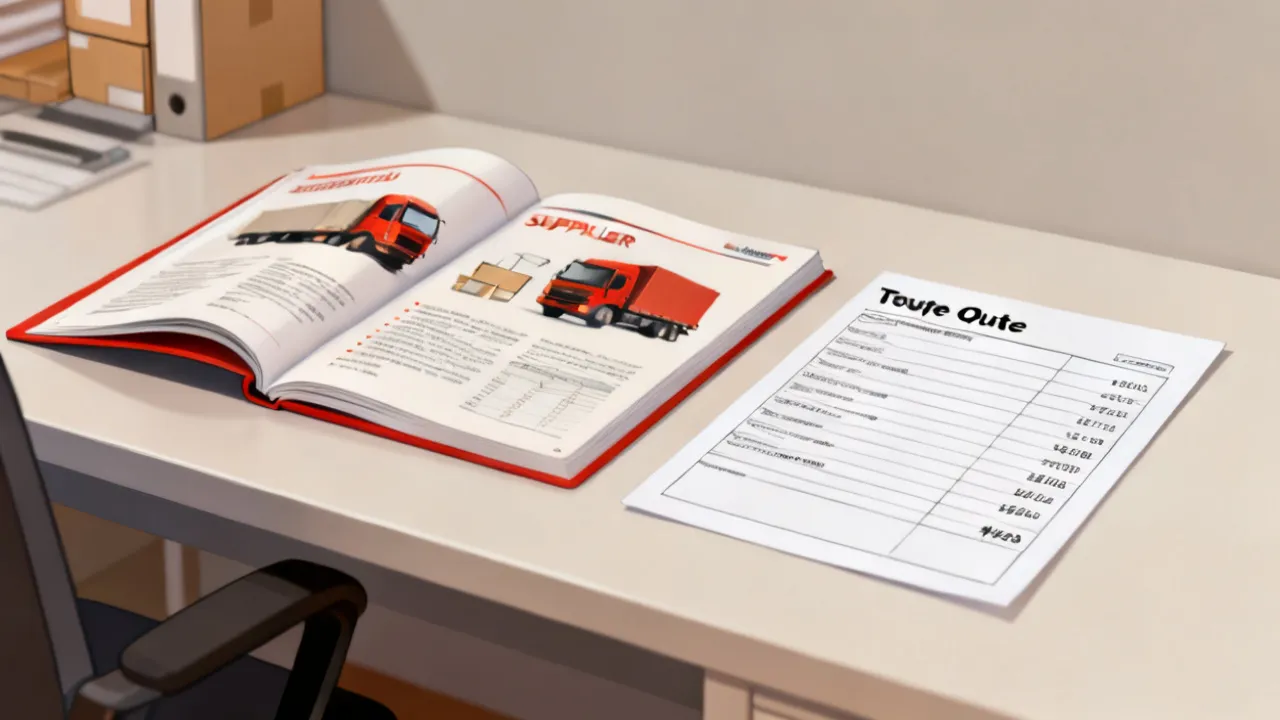
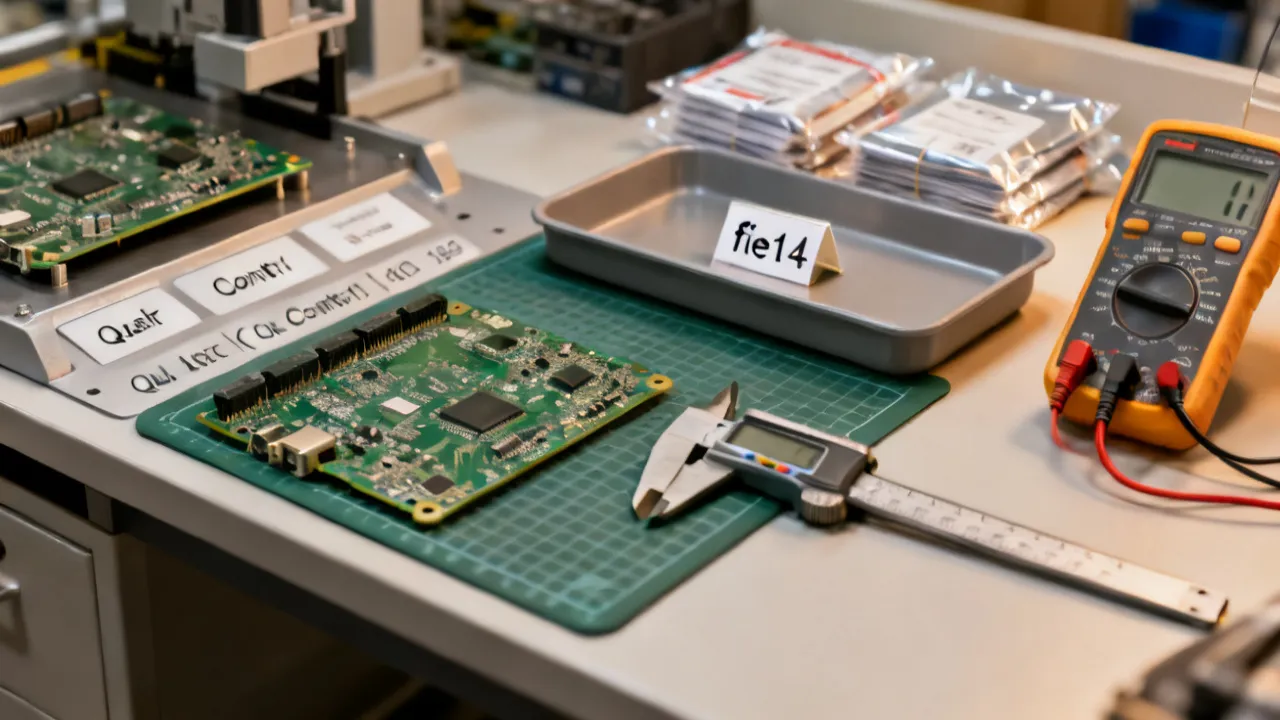
Zg7nf0 Supply Insights and Supplier Selection Guide
Zg7nf0 connects product sourcing decisions with supplier evaluation, pricing discipline, and documentation readiness. This guide explains the role of coded keywords in procurement workflows, how buyers typically validate suppliers, and what “nearby” sourcing constraints mean for lead times and compliance. Background sections outline buyer due diligence, risk controls, and practical next steps.

Primary Takeaways for Zg7nf0-Driven Sourcing Decisions
Zg7nf0 is often understood as a procurement-oriented code that can signal a specific product specification, batch traceability requirement, or internal catalog reference used during supplier selection. When teams encounter Zg7nf0 in purchasing workflows, they usually need to confirm the exact material/specification, validate pricing consistency, and ensure supplier documentation can stand up to audits. In practice, the very reliable outcomes come from a structured approach: define requirements first, compare suppliers using the same criteria, and confirm lead-time and quality controls before purchase commitments.
Because the provided keywords list includes Zg7nf0 and surrounding placeholder strings, this article focuses on how such codes function in real sourcing processes—especially when buyers must manage multiple offers, check supplier credentials, and protect schedule certainty.
What Zg7nf0 Typically Represents in Procurement Workflows
In many B2B purchasing environments, alphanumeric strings like Zg7nf0 do not exist merely for convenience. They often represent one (or more) of the following:
- Specification anchor: A code tied to a technical requirement—dimensions, tolerances, material grade, coating type, or acceptance criteria.
- Traceability reference: A batch or lot identifier used to track compliance across receiving, storage, and downstream use.
- Catalog or contract mapping: A shorthand that links to a master agreement, an order template, or a pricing schedule.
- Internal workflow tagging: A code for procurement routing, approval stages, or quality-review triggers.
For a buyer, the practical implication is simple: you should treat Zg7nf0 as a requirement signal that must be verified rather than assumed. Industry teams typically request a specification sheet, a certificate package (as applicable), and a sample/inspection plan when the code is used in a procurement request.
To make this concrete, imagine a sourcing team receiving an incoming request to buy “items meeting Zg7nf0.” If the team assumes “it’s the same as last time,” that assumption can break downstream operations. For example, a supplier might have an internal stock system where “Zg7nf0” maps to a product variant that is close but not identical—maybe the supplier changed a coating vendor, slightly altered a tolerance range, or adjusted the packaging method. The procurement code is therefore less like a friendly label and more like a reference pointer to a governed configuration. Buyers who treat it as a pointer (and verify it) tend to avoid expensive disputes and rework.
Additionally, many organizations adopt codes like Zg7nf0 because procurement, engineering, and quality teams often operate on different data models. Engineering may speak in tolerances and test methods; procurement speaks in line items and commercial terms; quality speaks in traceability and evidence. A shared code bridges these worlds. The code itself is not the “truth”—the underlying controlled documents are. That’s why the verification step matters.
Pricing Discipline: How Suppliers Commonly Quote and What Buyers Should Check
Even when the exact “price information” is not numerically provided here, the procurement principles remain the same. Supplier quotes often differ because of unit basis, incoterms, lead-time windows, included documentation, and the degree of compliance evidence that is bundled into the quote.
From an industry expert perspective, when you evaluate pricing connected to Zg7nf0, the key is to normalize the quote before comparing it. Without normalization, you’re not comparing apples-to-apples—you’re comparing “apples with different varieties, packaging, and shipping terms.”
- Unit basis: Are you comparing per unit, per pack, per kilogram, per meter, per batch, or per test result? A supplier might price at the “finished goods” level while another prices at “raw material plus processing” level.
- Delivery terms: Are shipping costs and responsibilities included? For example, an EXW quote versus a DDP quote can look like a price difference but actually reflect distribution responsibility and risk allocation.
- Lead-time assumptions: Is the quoted price stable for a specific production or shipping window? A supplier might quote a lower price contingent on a production run schedule that is not realistic for your timeline.
- Compliance inclusions: Does the quote include test reports, declarations, COAs, certificates of conformity, or third-party inspection? Some suppliers treat documentation as an add-on; others consider it part of “standard supply.”
- Variant coverage: Does Zg7nf0 refer to a single configuration or multiple alternates priced differently? “Compatible” substitutions can appear in quotes and later fail verification.
- Packaging and labeling: Are cartons labeled with lot numbers for receiving? If you need pallet labeling, barcodes, or special packaging to preserve traceability, confirm that it’s included.
- Validity period and price protection: Is the quote valid for a defined timeframe? For longer lead-time orders, price protection clauses can matter.
Procurement top practice generally aligns with guidance from recognized standards on supplier quality management. For example, ISO 9001 emphasizes consistency and documented processes for achieving conformity. Buyers can map quote evaluation to a documented “selection rationale” file so decisions remain transparent and repeatable.
Source note: ISO 9001 requirements and general concepts of process control are described by the International Organization for Standardization (ISO). For reference, see ISO’s general ISO 9001 overview materials at: https://www.iso.org/iso-9001-quality-management.html (link provided here for transparency, but not used in tables as requested).
One reason pricing discipline matters is that procurement teams often face a temptation: to focus on the “best price” before verifying compliance. When Zg7nf0 is involved, that temptation becomes riskier. A supplier that undercuts might compensate by reducing documentation rigor, relying on “standard certificates” that don’t correspond to the specific lot, or using a different internal test method that doesn’t match your acceptance plan. Those shortcuts can convert an apparent savings into a total cost of nonconformance: additional inspection time, rework, scrapping, expedited shipping, or even production delays.
Therefore, the buyer’s pricing workflow should treat compliance documentation as part of the economic comparison—not as something to worry about later. In practice, you can do this by requiring a “documented compliance bundle” checklist in each quote: certificate types, traceability format, labeling requirements, and inspection evidence. When all suppliers submit the same bundle, you can compare total cost with fewer surprises.
Supplier Selection: The Criteria That Prevent Costly Misalignment
When a buyer encounters Zg7nf0 during sourcing, supplier selection should not be driven only by the lowest unit cost. A mature selection process focuses on capability, consistency, and operational resilience. In other words: can this supplier repeatedly meet the requirement in the way you need, not just meet it once under favorable circumstances?
Consider evaluating suppliers across the following dimensions:
- Specification compliance history: Evidence that the supplier previously met the closest equivalent requirements associated with the Zg7nf0 code. This can include past performance metrics, audit results, and complaint history. If you don’t have historical data, request references tied to the same specification class.
- Quality controls: Documented incoming inspection, in-process checks, and final acceptance methods. Also ask how they handle deviations—what corrective action loop exists, and how quickly can they respond when a batch fails?
- Traceability readiness: Ability to provide lot/batch traceability aligned with the Zg7nf0 reference. Traceability is not only about labels; it’s about whether the supplier can connect each shipment back to raw material and manufacturing records.
- Documentation accuracy: Completeness and correctness of certificates, test results, and labeling. “On-time” documentation is less valuable if it doesn’t match the delivered lot numbers or the spec revision.
- Communication and change control: Clear escalation pathways and a formal process for substitutions or engineering changes. If the supplier changes upstream materials or processes, do they notify you, and do they obtain approval?
- Capacity and lead-time reliability: A realistic production schedule with stated constraints. Ask for the lead-time model and how they handle peak demand.
- Supplier management maturity: Existence of documented procedures for nonconformance, CAPA (corrective and preventive action), and internal audits. This reduces “tribal knowledge” dependencies.
- Handling of special requirements: Some items require controlled packaging, special storage conditions, or regulated documentation. Ask whether Zg7nf0 triggers any special handling requirements.
In many procurement audits, failures are less about “bad intent” and more about weak handoffs: unclear specs, missing documents, or last-minute substitutions. That is why buyers should request a “submission pack” covering technical, quality, and logistics details before placing orders tied to Zg7nf0.
A submission pack is important because it forces clarity. Suppliers often respond faster than quality teams, and procurement often moves quickly. When the buyer asks for the full submission pack early, it creates a single “source of alignment.” In that submission pack, you can request:
- Spec confirmation statement tied to the exact Zg7nf0 configuration
- Bill of materials or material grade confirmation (if applicable)
- Test method references (which standards are used)
- Certificate types to be provided per lot
- Packaging and labeling examples for traceability
- Production plan and lead-time assumptions
- Quality plan summary: inspection points and acceptance criteria
With these artifacts, procurement teams can avoid an all-too-common pattern: selecting a supplier based on price, then discovering late that documentation and acceptance criteria were not agreed. When that happens, the buyer can face an awkward choice—accept potentially nonconforming goods to avoid schedule delays or reject goods and incur cost and timeline penalties.
Near-Location Sourcing (“nearby” Constraints) and Why They Matter
You may notice the keyword instruction to replace any {city} or {country} appearances with “nearby.” In practice, “nearby” sourcing can carry both advantages and constraints.
When suppliers are sourced nearby, procurement teams often focus on:
- Shorter lead-time variability: Reduced cross-border variability may help stabilize delivery schedules. Fewer customs delays, fewer long transit windows, and typically easier route adjustments can reduce uncertainty.
- Quicker corrective actions: Faster resolution cycles for returns, rework, or sampling issues. If a batch is suspected of nonconformance, you can often retrieve it or escalate inspection faster.
- Local compliance expectations: Document formats and labeling practices may match local regulations more directly, reducing conversion effort or compliance gaps.
However, “nearby” sourcing can also introduce constraints:
- Capacity saturation: Regional suppliers may have limited ability to scale quickly. A local supplier might quote confidently in a normal quarter but struggle during peak demand months.
- Lower supplier diversity: Fewer alternatives can increase dependence risk. If the region has a disruption, you might have fewer backup options.
- Price sensitivity: Transportation advantages do not always offset price differences in raw materials or labor. If raw materials are globally sourced, pricing can still reflect global market conditions.
- Regulatory and certification alignment: Even “nearby” doesn’t mean identical standards. A supplier may have local certifications that differ from your required compliance scheme. You still need to verify documentation tied to Zg7nf0.
The top approach is to treat “nearby” as a sourcing strategy—not a guarantee—and still validate quality and documentation tied to Zg7nf0.
To apply this practically, buyers can consider building “nearby” constraints into the sourcing plan as a set of controllable assumptions. For example:
- Assume reduced variability but not reduced acceptance requirements.
- Require lead-time confidence intervals (not only single-point lead times).
- Confirm packaging and labeling compatibility with local receiving workflows.
- Maintain at least one contingency supplier even if “nearby” is prioritized.
This approach preserves the benefits of responsiveness while preventing a false sense of safety.
Industry Process View: From Requirement to Purchase Order
An expert procurement team typically follows a sequence that reduces ambiguity and prevents “quote-to-receipt drift.” The workflow below is generic but tightly aligned with how Zg7nf0-style codes are handled in practice.
- Confirm the exact requirement: Obtain the specification sheet or internal requirement document referencing Zg7nf0. If the code maps to multiple variants, request the variant detail explicitly. In well-run organizations, the procurement request should include a spec revision level, not just the code, to prevent misunderstandings when specifications change over time.
- Define acceptance criteria: Agree on inspection points, tolerances, and documentation requirements before quotes are finalized. This includes whether acceptance is based on dimensional checks, functional tests, chemical composition, mechanical properties, or other category-specific evidence.
- Request a supplier submission pack: Ask for certificates, test methods, packaging/labeling plans, and traceability process statements. Where possible, require sample certificates from prior shipments to validate template accuracy and lot-to-certificate mapping.
- Normalize quotes: Convert quotes into comparable unit bases and confirm delivery terms, lead-time assumptions, and what is included. If you cannot normalize due to missing details, treat that as a quote incompleteness issue rather than a “minor” gap.
- Perform supplier risk checks: Validate quality systems, past performance signals, and operational continuity. Consider whether supplier risks are specific to the Zg7nf0 product class or general operational maturity.
- Select and document: Record the selection rationale so it is auditable and consistent across future procurement cycles. A good rationale includes both commercial and quality reasons, not just “best price.”
- Issue the purchase order with clear mapping: Ensure the Zg7nf0 reference on PO documents matches the supplier’s internal technical mapping. Include any spec revision identifiers and acceptance criteria references to remove ambiguity.
- Verify at receiving: Conduct incoming verification aligned with the agreed criteria; reconcile certificates with the received lot/batch. If there is a mismatch, trigger a defined nonconformance process rather than ad-hoc decisions.
When buyers skip steps—especially “confirm the exact requirement” and “normalize quotes”—they often experience rework costs, delayed production schedules, or disputes over documentation mismatches. Importantly, these disputes can become complicated if downstream teams rely on purchased goods that were not correctly verified at receiving.
It is also worth noting that Zg7nf0-style codes often exist in a governance ecosystem. In some companies, engineering controls changes to specs; in others, quality controls document templates; procurement controls contractual language; logistics controls labeling and shipping conditions. When the code is used, each function plays a part. Procurement’s job is to ensure each functional requirement is translated into supplier obligations.
Comparison Table (Rephrased Supplement): Conditions, Steps, and Requirements
| Aspect | How It Works in a Zg7nf0 Context | Buyer Conditions / Requirements | Typical Step in the Procurement Flow |
|---|---|---|---|
| Specification certainty | Zg7nf0 functions as a reference point for the exact configuration being sourced. | Request spec sheet and variant mapping; confirm tolerances and acceptance criteria. | Requirement confirmation |
| Price comparability | Quotes may differ due to unit basis, delivery terms, and included documentation. | Normalize units and terms; verify what certificates and inspections are included. | Quote normalization |
| Supplier capability | Suppliers must demonstrate they can consistently meet Zg7nf0 requirements. | Review quality controls, past compliance records, and change-control process. | Supplier risk check |
| Traceability | Zg7nf0 references should align with lot/batch traceability at receiving. | Require batch/lot documentation and labeling consistent with receiving plans. | Receiving verification |
| “Nearby” sourcing constraints | Operational convenience can improve responsiveness but does not remove quality risk. | Confirm capacity limits and realistic lead-time under peak demand conditions. | Lead-time validation |
Comprehensive Supplier Evaluation Checklist (Expert Perspective)
Because Zg7nf0 can be associated with multiple operational details, a strong checklist reduces the chance that a supplier “meets the intent” but not the technical requirement. Below is a practical evaluation list that can be adapted to your product category. The goal is to make it difficult for misalignment to hide in casual language like “similar,” “equivalent,” or “standard.”
1) Technical Alignment
- Does the supplier’s product match the specification tied to Zg7nf0?
- Are tolerances and allowable substitutions clearly defined?
- Is the test method aligned with the buyer’s acceptance approach?
- Is there a spec revision level included in the supplier submission? If specifications evolve, “old” vs “new” can matter.
- Are any non-standard methods used by the supplier clearly identified and approved by the buyer’s quality team?
2) Quality Management Evidence
- Does the supplier provide a documented quality system overview?
- What inspections occur at incoming, in-process, and final stages?
- How are nonconformities handled (rework, scrap, or supplier correction)?
- How are quality records retained, and for how long?
- Is there evidence of corrective action speed (e.g., turnaround time for CAPA responses)?
- Does the supplier perform internal audits that cover the product class associated with Zg7nf0?
3) Documentation and Traceability
- Can the supplier provide certificate packages that correspond to each lot?
- Are labels and packaging consistent with receiving and storage procedures?
- Is the Zg7nf0 mapping traceable through the order lifecycle?
- Is the supplier able to link raw material batches to finished goods batches when required?
- Do certificates use your required format and naming convention, especially for lot numbers and test results?
- Are there provisions for correcting documentation errors if they occur (and what are the timelines)?
4) Commercial and Operational Clarity
- Are lead-times and production windows explicitly stated?
- What is the escalation path for delays or documentation issues?
- Are change requests governed by a formal approval process?
- Are there defined service-level expectations for responding to quality issues?
- Does the quote include all required documentation shipments (electronic vs paper) and delivery method timing?
This checklist approach helps procurement teams keep decision-making objective and repeatable—an essential requirement for larger organizations where multiple buyers may handle similar sourcing events.
Risk Controls: What Goes Wrong and How to Prevent It
Procurement failures tied to coded references like Zg7nf0 often share common patterns. Understanding these patterns can protect budgets and timelines.
- Spec drift: The supplier quotes a close equivalent but does not meet the exact requirement. Prevention: confirm variant mapping and acceptance criteria; require explicit spec confirmation in the submission pack.
- Documentation gaps: Certificates or COAs are missing, incomplete, or mismatched to batch/lot numbers. Prevention: require a submission pack; reconcile at receiving; include a documentation completeness checklist as a receiving gate.
- Lead-time overconfidence: Quotes assume stable capacity. Prevention: validate lead-time under realistic conditions and confirm alternatives; request a lead-time schedule with assumptions and capacity constraints.
- Labeling mismatch: Packaging doesn’t align with receiving workflows. Prevention: require packaging and labeling samples when feasible; verify that lot labeling is scannable and matches order line items.
- Change-control confusion: Substitutions occur without proper approvals. Prevention: add contractual change-control clauses tied to Zg7nf0 references and require buyer approval for any changes that affect conformity.
- Hidden substitutions: The supplier “substitutes” materials inside the manufacturing process while claiming equivalence. Prevention: define what changes are allowed, require notifications, and specify material grade constraints.
- Acceptance test mismatch: The supplier tests differently than the buyer expects, producing results that aren’t comparable. Prevention: specify test methods or require test method alignment and cross-check where feasible.
- Communication breakdowns: Delays in reporting nonconformities or documentation issues lead to late decisions. Prevention: define escalation timelines and points of contact in the purchase order or quality agreement.
- Inadequate contingency planning: “Nearby” sourcing reduces response time, but it doesn’t plan for disruptions. Prevention: maintain at least one alternate supplier and a defined re-sourcing path.
These controls align with widely recognized quality management principles. For general quality management concepts, ISO 9001 provides a framework for process discipline and continual improvement. Buyers should adapt it to their specific industry context.
In practice, risk prevention is not only about rejecting bad goods. It is also about preventing bad decisions early. A buyer might receive a quote that seems cheap. If the buyer ignores documentation inclusions and acceptance criteria alignment, the decision can lead to costly outcomes later. Therefore, consider implementing a “gating logic”:
- Gate 1 (before quote comparison): Ensure all quotes are complete enough to normalize terms (unit basis, incoterms, delivery timing, document inclusions).
- Gate 2 (before PO): Ensure the supplier submission pack is approved against Zg7nf0 requirements and acceptance criteria.
- Gate 3 (before release for shipment): Ensure certificates and labeling drafts are reviewed if your process includes pre-release checks.
- Gate 4 (at receiving): Ensure certificates match lot numbers and the received item passes defined inspection points.
This gating approach can dramatically reduce the number of disputes and the amount of “interpretation work” required when something goes wrong.
Operational Integration: How Zg7nf0 Touches Quality, Logistics, and Engineering
Although the purchasing team may be the first to see Zg7nf0, the code typically affects multiple functions. Understanding how the code ripples across operational areas helps procurement teams anticipate where problems will appear.
Quality integration: Quality needs to understand what evidence will be provided, what tests are expected, and how acceptance will be determined. If Zg7nf0 maps to a controlled specification, quality may need to confirm that the supplier’s test plan matches buyer requirements. Otherwise, quality may spend time renegotiating the test approach after receiving, which is late in the process.
Engineering integration: If engineering designed the requirement associated with Zg7nf0, they may also need to confirm whether “equivalent” materials are allowed or if the requirement is strict. Engineering can also clarify whether certain properties are critical to performance or only “nice to have.” Without engineering input, procurement may mistakenly allow substitutions that engineering later rejects.
Logistics integration: Logistics needs packaging and labeling details so that receiving can scan and store goods correctly. If traceability depends on lot numbers embedded in labels, logistics must ensure labeling requirements are clear and that the supplier complies. When logistics receives mismatched labels, the organization can lose traceability quickly, even if the goods are otherwise conforming.
Systems integration: Many organizations rely on ERP systems and supplier master data. If Zg7nf0 appears as a reference, it should be mapped correctly into ERP line items and linked to the correct receiving inspection rules. If system mapping is wrong, the warehouse might apply the wrong inspection plan or route items incorrectly.
Because Zg7nf0 is often a “bridge code,” procurement teams should treat it as a cross-functional contract. A code without supporting documentation can create cross-functional friction. A code with a clear controlled submission pack reduces friction.
Practical Example Scenarios (How Buyers Apply These Principles)
To show how these principles work in real sourcing decisions, consider the following common scenarios. These are hypothetical but grounded in typical procurement dynamics where codes like Zg7nf0 appear.
Scenario A: The “Cheaper Quote” That Doesn’t Include Evidence
Buyer Request for Quote (RFQ) includes Zg7nf0 and asks for certificates. Supplier 1 provides a quote with a low unit cost and includes a generic certificate template. Supplier 2 provides a slightly higher unit cost but includes a certificate package tied to each lot, with the specific test methods required. If the buyer compares only unit cost without normalizing documentation inclusions, Supplier 1 might appear cheaper. When goods arrive, certificates fail internal checks because they don’t show the required tests or the documentation doesn’t match the delivered lot numbers. Buyer delays production to perform additional inspection and may reject a portion of the shipment.
Prevention: normalize the quote on “total compliance bundle” rather than cost-per-unit. Include a documentation checklist in the RFQ so each supplier must commit to the evidence. If you can’t normalize evidence inclusion, you don’t yet have a comparable quote.
Scenario B: Zg7nf0 Maps to Multiple Variants
The buyer’s internal documentation states Zg7nf0 corresponds to a configuration but doesn’t clarify all variants. Supplier confirms the code but ships a variant that is within general description yet fails a specific tolerance or coating requirement. At receiving, the incoming inspection identifies the variance, and the buyer has to quarantine goods and request rework or replacement.
Prevention: confirm variant mapping. Require supplier to explicitly identify which variant is being quoted and how it maps to Zg7nf0. Ask for the exact spec sheet revision and acceptance criteria.
Scenario C: “Nearby” Supplier Reduces Transit Risk but Not Quality Risk
A procurement team chooses a nearby supplier for speed, expecting quicker resolution if something goes wrong. Goods arrive quickly, but labeling is missing the lot number in the format required by warehouse scanners. Traceability is disrupted, which is a quality and compliance issue even if the physical goods are acceptable.
Prevention: treat “nearby” as logistics convenience only. Keep the same traceability requirements linked to Zg7nf0, and request labeling samples or confirm that labels meet the receiving system requirements.
Scenario D: Change Control Isn’t Contractually Governed
During production, Supplier changes a subcomponent. The change does not materially affect performance but does affect documented test parameters or required certifications. Supplier ships and provides updated documents later, but buyer approval was not obtained. When downstream quality review finds the mismatch, the organization faces a compliance concern.
Prevention: include contract clauses requiring buyer approval for changes affecting conformity, documentation, or traceability. Tie these clauses explicitly to Zg7nf0 references.
How to Build a “Zg7nf0-Ready” Sourcing Package
When sourcing involves codes like Zg7nf0, a recurring best practice is to create a standardized sourcing package template. This package can be reused across procurement cycles and reduces the chance that requirements are missed.
A “Zg7nf0-ready” sourcing package might include:
- Zg7nf0 specification reference: Include controlled spec documents, revision numbers, and any linked standards.
- Acceptance plan: Define inspection points, tolerances, and documentation required for acceptance.
- Traceability requirements: Specify how lot numbers must appear on certificates and labels, including required naming conventions.
- Certificate package checklist: List each certificate type, required fields, and expected timing (pre-shipment vs post-delivery).
- Packaging and labeling requirements: Provide receiving workflow requirements: barcodes, scanning rules, pallet labeling, carton label content.
- Commercial normalization instructions: Define unit basis, quantity rounding rules, and delivery terms so quotes can be compared fairly.
- Change control and escalation: Define when supplier must notify the buyer and how delays and quality issues should be escalated.
By packaging these requirements, procurement teams can avoid a common pitfall: asking for “documents” without specifying which documents and how they must correspond to the delivered lots. The code becomes much more meaningful when it is paired with explicit documentation demands.
Deep Dive: Verification at Receiving (Where Many Problems Surface)
Receiving is often where procurement decisions become “real.” Even if supplier selection and documentation look correct on paper, mismatches can still occur due to labeling issues, batch mixing, documentation formatting errors, or last-minute substitutions.
A robust receiving verification process aligned with Zg7nf0 should include:
- Lot/batch reconciliation: Confirm that the lot numbers on physical items match the lot numbers on certificates and packing lists.
- Label integrity checks: Verify barcode readability, correct formatting, and presence of required fields (e.g., manufacturing date, batch/lot number, product code).
- Inspection execution per acceptance plan: Perform dimensional checks or other tests defined in the acceptance criteria. If sampling plans are used, confirm the sampling method and record results.
- Documentation completeness gate: Ensure all required documents are present and correct before goods are released for production or storage.
- Nonconformance handling: If mismatches occur, trigger quarantine and start nonconformance workflows with clear ownership and timelines.
One powerful practice is to treat documentation reconciliation as part of the quality gate, not as an administrative follow-up. When a buyer delays documentation checks until after goods are consumed, it can become far more expensive to resolve issues because downstream production may already have begun.
Furthermore, if your organization handles regulated or audited products, receiving verification can become the strongest evidence of compliance. Auditors typically want to see traceability from raw materials to finished goods to end use. If Zg7nf0 is part of your traceability system, receiving records provide the proof.
Managing Supplier Documentation Under Audit Pressure
Audits often focus on whether an organization can demonstrate that its purchasing decisions lead to conforming products. In that context, a code like Zg7nf0 is not the proof; it’s the thread connecting multiple records. When buyers get questioned, they may be asked:
- How do you know the product met the spec associated with Zg7nf0?
- How do you know the documents you received correspond to the delivered lot?
- How do you know that changes were controlled and approved?
- How did you select the supplier, and was that selection justified?
To answer these questions, organizations should keep decision records that link to the Zg7nf0 requirement. A strong audit-ready file might include:
- Approved specification and acceptance criteria documents tied to Zg7nf0 (including revision number)
- Supplier submission pack and evidence of review/approval
- Normalized quote comparison (showing how terms and documentation inclusions were compared)
- Supplier evaluation checklist results
- Purchase order documents showing Zg7nf0 mapping and acceptance criteria references
- Receiving inspection records and lot/batch reconciliation evidence
- Any nonconformance records and corrective actions
When these items exist, the organization can demonstrate a controlled process. When they don’t, the organization may rely on memory or vague statements, which is risky during audits.
This also explains why buyers should insist on supplier documentation “that can stand up to audits.” Audit readiness is not only about having certificates; it’s about the coherence of the record chain. Zg7nf0 should appear consistently across procurement documents, receiving records, and supplier documentation.
Contractual Practices: Ensuring Zg7nf0 Requirements Become Supplier Obligations
A common misconception is that putting Zg7nf0 on a purchase order automatically ensures compliance. In reality, compliance is often governed by contractual terms, quality agreements, and acceptance clauses that define what the supplier must deliver and what happens when something fails.
Contractual practices that help in Zg7nf0-driven sourcing include:
- Explicit spec reference: In addition to Zg7nf0, include the actual specification document name and revision.
- Documentation obligations: Define exactly which certificates are required, including content requirements and delivery timing.
- Right to inspect: Include rights to inspect goods and documentation, and define consequences of nonconformance.
- Change control: Require supplier notification and buyer approval for changes affecting conformity, documentation, or traceability.
- Nonconformance remedies: Clarify remedies such as replacement, rework, credit, or additional testing at the supplier’s cost (as agreed).
- Escalation and timelines: Define response timelines for quality issues and how disputes are resolved.
When these contractual elements are present, procurement reduces reliance on informal communication. This is particularly important when there are multiple stakeholders—engineering, quality, supply chain—each of whom may interpret a coded reference differently unless the contract ties it to controlled documentation.
Supplier Performance Management After the Purchase
Even after a successful purchase order, Zg7nf0-driven sourcing should include post-purchase evaluation. A supplier that performs well once may perform poorly later if processes change, capacity is strained, or upstream materials vary.
Post-purchase performance management can include:
- On-time delivery performance: Compare scheduled vs actual delivery dates and quantify lead-time variability.
- Quality performance: Track nonconformance rates, rework rates, and defect trends tied to Zg7nf0 product class.
- Documentation quality: Monitor certificate accuracy, lot mapping accuracy, and documentation completeness.
- Responsiveness to issues: Evaluate how quickly and clearly supplier teams respond to quality and documentation questions.
- Continuous improvement: Encourage CAPA outcomes and process improvements that reduce future risk.
By building this feedback loop, procurement improves future supplier selection and reduces systemic risk. Over time, the organization can refine its selection criteria and better predict supplier reliability for Zg7nf0-coded requirements.
FAQs
FAQ 1: What does “Zg7nf0” mean in procurement?
Zg7nf0 is typically a coded reference used to identify a specific specification, contract mapping, or traceability requirement. In practice, its meaning must be verified through the associated technical documentation and supplier mapping. The buyer should not rely on the code alone; it should be treated as a pointer to controlled requirements.
FAQ 2: How should I compare supplier pricing for an item tied to Zg7nf0?
Normalize the quote before comparing: align unit basis, delivery terms, lead-time assumptions, and confirm which quality documents and inspections are included. Treat quote comparison as a requirements-and-terms exercise, not only a cost-per-unit comparison. If documentation inclusions differ, you should either require uniform inclusions or adjust the comparison to reflect the cost of missing documentation and inspections.
FAQ 3: Does sourcing “nearby” reduce quality risks?
It may improve responsiveness and reduce logistical variability, but it does not eliminate quality risk. You still need technical verification, documentation checks, and receiving inspections matched to the Zg7nf0 requirement. “Nearby” affects logistics risk more than it affects conformity risk.
FAQ 4: What documents should a supplier provide when Zg7nf0 is used?
Commonly requested items include a specification sheet confirmation, certificate packages relevant to the product category (e.g., COAs or test reports where applicable), and traceability/labeling plans that allow each lot to be verified at receiving. The buyer should define which certificates are required and how they must correspond to each delivered lot number.
FAQ 5: How can I prevent disputes over “the right product”?
Use a clear requirements mapping in purchase documents, confirm acceptance criteria in advance, and reconcile certificates and batch numbers at receiving. When possible, require samples or pre-production checks that are tied to Zg7nf0. Additionally, include change control and substitution constraints contractually so the supplier cannot “reinterpret” the requirement after the fact.
FAQ 6: What is a practical next step if I’m starting sourcing for Zg7nf0?
Start by requesting the supplier’s submission pack and a confirmed technical mapping for Zg7nf0. Then normalize quotes across unit basis and delivery terms, and proceed with a structured supplier evaluation before issuing a purchase order. After purchase, verify at receiving using the acceptance plan and documentation completeness gate.
FAQ 7: What if a supplier says Zg7nf0 is “standard” and they can deliver without additional documents?
Treat that as a red flag. “Standard” often means they will provide generic documentation or templates that may not match your required spec revision and lot mapping. Require the specific certificate package, confirm lot traceability, and ensure the acceptance plan is met. If the supplier cannot provide the required evidence, you should not proceed based on assumptions.
FAQ 8: How do I handle cases where Zg7nf0 requirements change during the sourcing process?
Use change control. If internal specs evolve, update the requirement documentation, re-run supplier evaluation (at least for documentation and technical alignment), and update PO references. Ensure the supplier acknowledges the updated Zg7nf0 mapping and provides revised submission evidence. Avoid mixing “old” certificates with “new” requirements.
FAQ 9: What should be included in a receiving “documents completeness” checklist?
At minimum, list each required certificate type, which lot numbers it must match, the required fields (e.g., test values, standards referenced), and the acceptable delivery method and timing (pre-shipment, with shipment, or post-receipt). Also include labeling verification items such as barcode readability and required label content aligned with your receiving procedures.
Conclusion: A Structured, Documented Approach Beats Guesswork
Whether you’re sourcing through a mature procurement department or coordinating supplier selection in a smaller team, Zg7nf0 should trigger disciplined verification rather than assumptions. By aligning requirements, normalizing pricing, validating supplier capability, and applying “nearby” sourcing logic without compromising quality checks, buyers can reduce rework, avoid documentation disputes, and improve schedule reliability.
If you share the actual product category associated with Zg7nf0 (e.g., material type, intended use, required certifications, and target delivery window), the evaluation criteria and documentation checklist can be tailored much more precisely to your scenario. In the meantime, the safest operational principle is consistent: treat Zg7nf0 as a governed reference that must be validated through controlled documents, traceability evidence, and acceptance criteria applied the same way across quotes, purchase orders, and receiving workflows.
-

A Guide to Cost-Efficient Small Electric Cars for Seniors
-
Mastering Debt Consolidation: Boost Your Credit Score and Manage Interest Rates
-
Your Guide to Loans, Credit Checks, and Interest Rates
-
Affordable Independent Living: Finding the Right Senior Housing
-
Guide to Senior Living Apartments: Affordable and Comfortable Environments