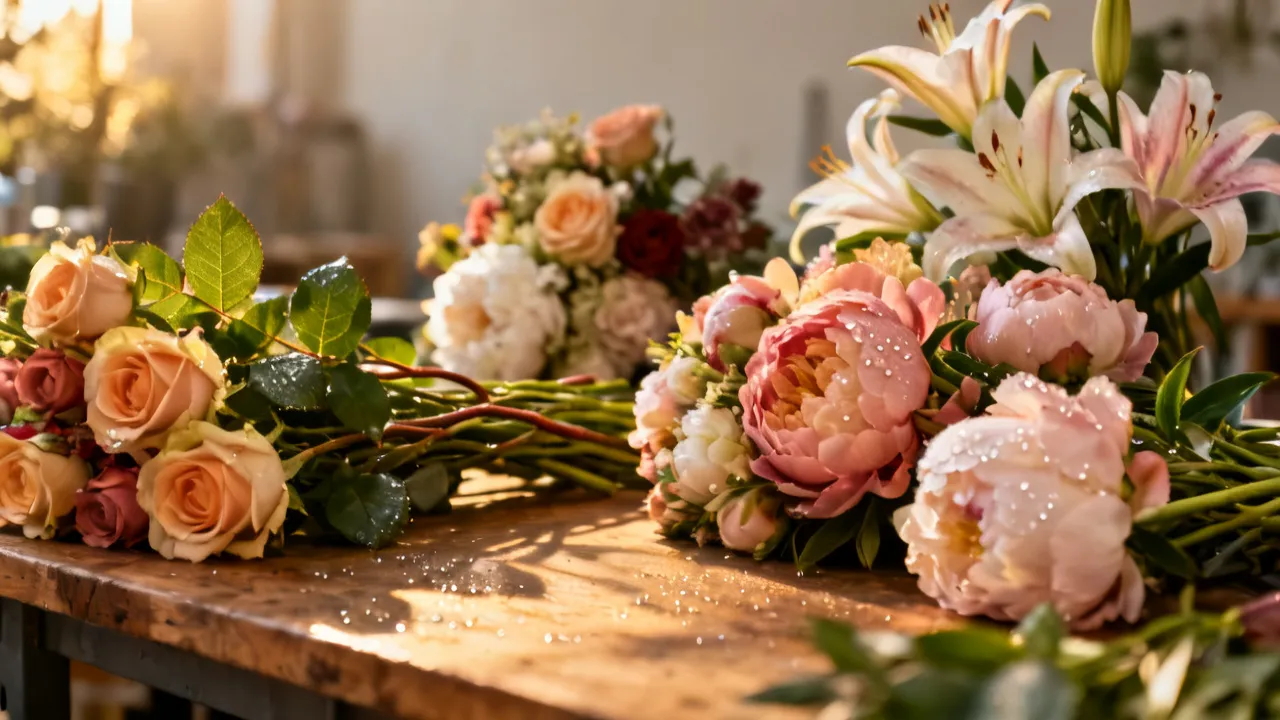
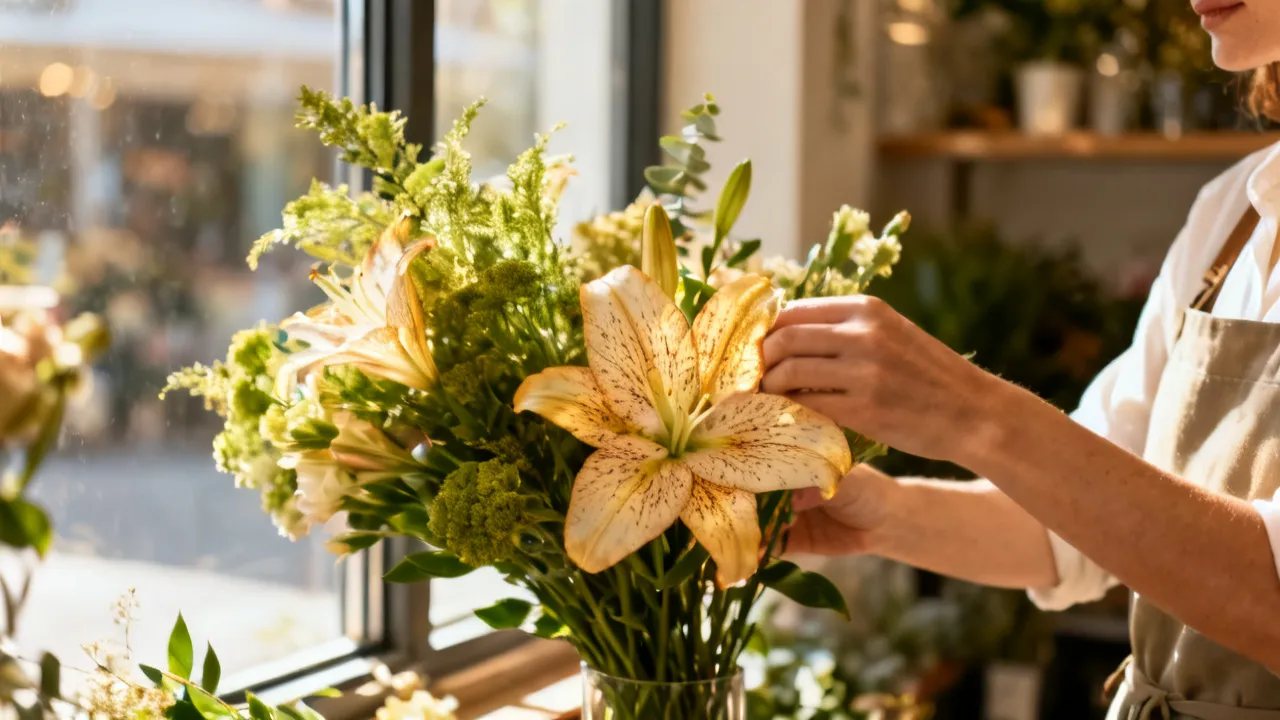
Choosing the Right Flowers for Any Occasion
This guide helps you select flowers with confidence by explaining quality signals, seasonal options, arrangement styles, and how to coordinate delivery expectations. Background context covers what matters very when buyers look for flowers—freshness, variety, stem handling, and responsible sourcing—so your choices align with both aesthetic goals and practical constraints.
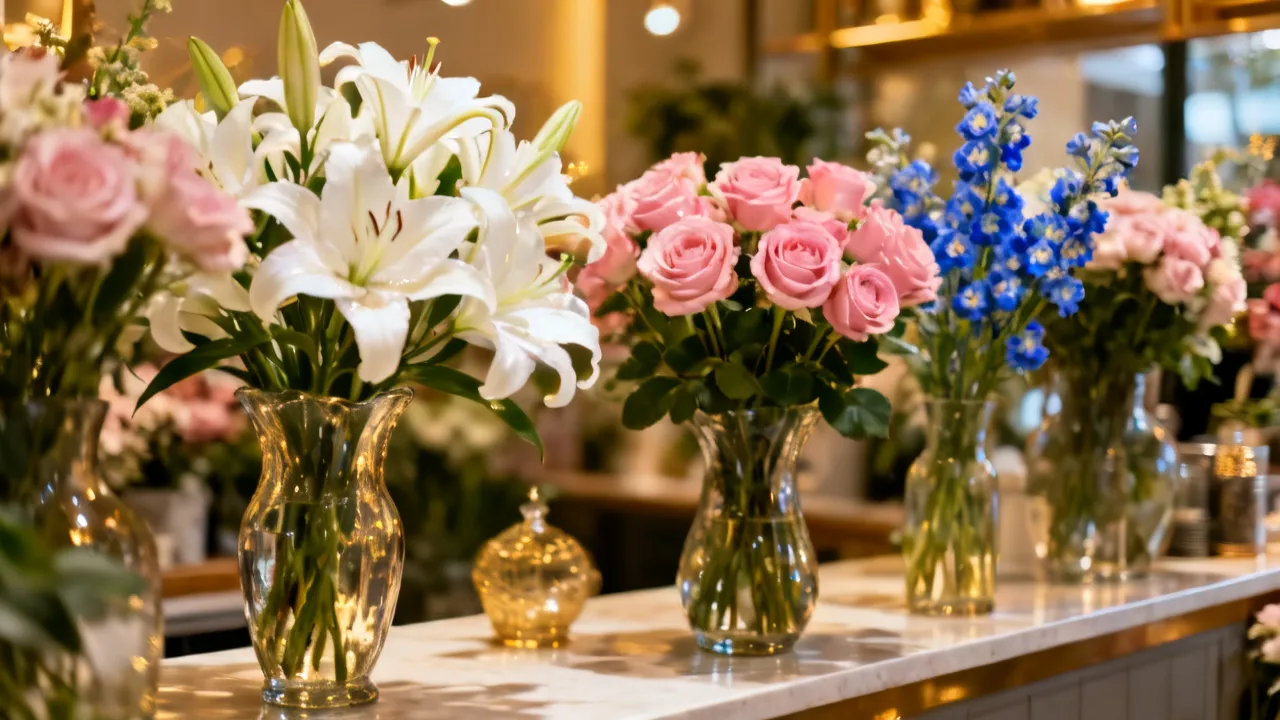
Start Here: How to Choose Flowers That Look Fresh Longer
Choosing flowers is less about chasing trends and more about matching the right variety, condition, and arrangement style to your occasion and environment. If you want blooms to remain vibrant for days, begin with three essentials: (1) inspect freshness cues, (2) select stems that suit the intended display conditions, and (3) plan how the bouquet will be hydrated and handled from pickup to placement.
From an industry expert perspective, the very reliable results come when buyers treat flower selection as a process rather than a single purchase decision. That means thinking about the setting (temperature, airflow, indoor light), the recipient’s preferences, and the bouquet’s structure—whether it’s airy and delicate or bold and sculptural.
Many people assume “fresh flowers” means just “recently cut.” In reality, longevity is a chain: the flower’s stage at harvest, how quickly it was cooled, how it was hydrated during transit, whether it was stored properly by the retailer, and how you handle it once you bring it home. When any one link breaks—say a bouquet sat warm in a bag for hours—beautiful blooms can still fade fast even if they looked perfect in the shop.
This guide gives you a practical, buyer-friendly workflow: what to look for in-store, how to choose varieties that match your timeframe, what arrangement choices affect vase life, how pricing often correlates with handling quality, and what to do immediately after you receive your bouquet to protect longevity. The goal is to help your flowers look as if they’re continuing to arrive “fresh” over multiple days, not just for the first hour after purchase.
Priority 1: Freshness Indicators That Matter in Real Purchases
In professional handling, “fresh” is not a vague label—it’s a set of visible and tactile signals. When buying flowers, evaluate blooms with these checkpoints:
- Stem firmness: Stems should feel resilient rather than limp. Limp stems typically indicate dehydration or delayed cooling. If you gently lift a stem and it feels soft like it has already “collapsed,” that’s often a sign the flower is running out of moisture reserves.
- Bud development: For many varieties (e.g., roses, lilies, tulips), partially closed buds are often ideal because they continue opening after arrangement. The key is choosing a bud stage that matches your timeline—freshly opened flowers can be gorgeous but may only have a short peak window.
- Petal texture: Look for intact petals with clean edges. Water-soaked or browning petal tips can signal age or mishandling. Also check for petals that look “creased” rather than naturally folded—this can indicate dryness or rough transport.
- Leaf condition: Leaves should be crisp, not yellowing. Yellow leaves aren’t always disqualifying for some greens, but widespread discoloration suggests reduced longevity. If lower leaves are significantly damaged, the bouquet may still look good initially but will likely degrade faster as the plant’s stored energy runs down.
- Cut end hydration: If stems are offered with damp packaging or appear recently trimmed, they tend to perform better after purchase. A stem that releases a watery sheen near the cut end can be a positive sign—though not every shop will show this.
While you may not measure temperature in a shop, trained florists implicitly manage it. Your top proxy is how consistently the shop keeps stems hydrated and how attentive the staff is when you ask about bloom ages and care. Professional shops tend to handle flowers methodically: they ask questions, keep stock in cooler storage, and provide care guidance without hesitation.
If you want a simple “freshness test” you can do without specialized knowledge, use this approach: gently check three things—stem firmness, bud stage, and petal/edge integrity. If all three look strong, your odds increase dramatically. If two look uncertain (for example, soft stems and browned edges), the bouquet may look fine at purchase but often declines quickly.
Priority 2: Select Varieties That Fit the Occasion and Environment
Different flowers behave differently once arranged. A bouquet that looks stunning for a ceremony may not be ideal for a room kept warm or windy. Consider:
- For longevity: Seek sturdier stems and blooms known for post-arrangement resilience (many carnations, chrysanthemums, and certain gerberas can offer strong vase life depending on handling). Even when exact vase life varies by cultivar, the principle holds: sturdier stem structures and certain flower types hold moisture and structural integrity longer.
- For dramatic visual impact: Peonies (in season), garden-style roses, and hydrangeas create volume, but they may require careful placement away from direct heat. Hydrangeas, for example, can wilt noticeably when dehydrated; they’re stunning when hydrated and properly positioned.
- For fragrance: Jasmine-adjacent florals and certain lilies can be highly aromatic; consider whether the recipient is sensitive to strong scents. Some people love fragrance; others find it overwhelming—especially in small rooms.
- For travel and short time windows: Bulb-like buds and flowers that tolerate staged opening are often easier to manage than highly delicate petals. If you’re commuting or waiting before delivery, choosing flowers that can “pause” structurally while opening gradually later can be a major advantage.
As a rule of thumb used in modern retail floristry, your goal is not only “beauty,” but also “fit.” Fit means the bouquet’s form and moisture needs align with how it will be displayed. A fit mismatch looks like this: a delicate bloom placed near a heat vent, or a hydration-sensitive flower left out too long during transport, or a heavily scented variety placed in a space where scent might bother the recipient.
To make variety selection more practical, think in terms of your timeline. If you need the bouquet to look best on Day 1 and you’re okay with it fading after, you can choose fully open flowers. If you want the bouquet to still look impressive on Day 4 or Day 6, choose blooms that are slightly earlier in development and build the bouquet with sturdier “support” flowers and greens.
Also consider the recipient’s habits. If they tend to forget to change water or place flowers near a busy window, choose flowers that forgive dryness. If they love plant care and will trim and refresh water daily, more delicate and high-reward varieties can be a good choice.
Priority 3: Choose an Arrangement Style Based on How It Will Be Seen
Arrangement style influences perceived fullness, longevity, and even how quickly blooms fatigue. Common styles include:
- Round/classic domes: Great for formal spaces and photo-friendly symmetry. Many dome arrangements rely on evenly distributed stems, which can help keep the silhouette balanced as individual blooms age.
- Hand-tied natural looks: Often more casual and flexible, but requires careful hydration. Because hand-tied bouquets can have a looser structure, you want them supported well in a vase and away from airflow.
- Modern asymmetry: Produces a strong editorial feel; ideal when the recipient prefers minimalist design. Asymmetry can be long-lasting if stems are well proportioned and not overly stressed.
- Low-centerpiece designs: Suitable for tables, but the base must be stable and petals kept away from table heat. Table settings also bring more air movement from people walking by and from HVAC systems.
An industry professional will usually ask about viewing height: the bouquet’s silhouette should match where the eyes will land. This is one reason two bouquets with similar flower species can feel drastically different. A tall, airy arrangement placed on a coffee table may be physically close to drafts and sunlight, accelerating petal fatigue. A compact arrangement might protect delicate petals by keeping them more stable and less exposed to airflow.
Arrangement style also affects hydration behavior. Some bouquets use more dense filler and more leaf surface area, which can increase water demand and bacterial load if submerged leaves aren’t removed properly after trimming. If the design has many small leaves, proper aftercare becomes even more important.
Finally, consider how the arrangement will be stored between pickup and placement. A tightly wrapped bouquet that you can keep cool and upright for transport will generally perform better than a bouquet left in warm conditions or bent/compacted in a way that stresses stems.
Price Expectations and What They Often Reflect
You asked for price information; however, no specific currency, numeric price, supplier name, or location was provided. In the absence of exact figures, the very objective approach is to explain what price typically represents in the flowers market:
- Flower grade and sourcing: Premium grades can cost more because they are selected for uniform color, bud stage, and stem straightness. Higher grade stems also tend to be less damaged, which directly impacts longevity.
- Seasonality: Seasonal varieties frequently cost less and look better because they’re harvested at optimal times. Off-season flowers may still be beautiful, but their availability and handling can be more complex.
- Labor intensity: Complex designs (layered textures, hand-crafted wrapping, wired stems) require more skilled time. Skilled construction matters for longevity because stems are arranged to reduce stress and maintain water pathways.
- Waste risk: Some florals are more prone to damage during transport; risk management can affect pricing. If a flower is fragile, the retailer may charge more—or substitute to reduce risk.
- Cooling and supply-chain handling: Freshness is not accidental—refrigerated transport and careful processing affect cost.
If you later share your budget range and target occasion, I can help translate these factors into a practical “value” strategy (for example, where spending yields the very visual or longevity payoff). A common value approach is to allocate budget to the centerpiece flowers that drive visual impact and use complementary fillers or greens that are more cost-effective and longer-lasting.
It’s also useful to know that “cheap” flowers can still look great for several days if they’re in the right bud stage and properly hydrated. Conversely, a pricey bouquet can fail if the flowers are stressed before purchase or placed in harsh indoor conditions. Longevity is a system, not a single purchase price.
Supplier Considerations: How to Evaluate Quality Without Assuming
Because supplier details were not provided, treat supplier selection as a quality-management problem rather than a brand-name contest. When comparing suppliers for flowers, look for these objective signals:
- Consistency: Do they deliver similar quality across multiple orders? Consistency indicates reliable cooling, handling, and selection criteria.
- Transparency: Will they explain bloom stages and care guidance? A shop that can talk you through “this one opens gradually” or “these hydrangeas do best with cooler placement” is usually more trustworthy.
- Packaging standards: Secure hydration and stem protection are practical indicators of handling quality. Ask whether stems are kept hydrated during transport. If you pick up in person, notice how the bouquet is protected.
- Seasonal flexibility: A good supplier substitutes thoughtfully when certain blooms are not available. Substitution should be deliberate, not a random replacement that changes the bouquet’s structure.
In professional procurement, the top suppliers reduce uncertainty. You’ll notice this when your bouquet arrives looking deliberate rather than improvised. In practice, this means flowers match the intended color family and the bouquet doesn’t collapse early due to mismatched structural components.
If you’re ordering in advance, ask how the supplier handles staged opening. For instance, if the bouquet will arrive a day before the event, can they choose a bud stage appropriate for that gap? Shops that plan for staged opening can dramatically improve “fresh look” longevity.
Localization Note: “Nearby” and Seasonal Choices
No city or country was specified. Per your instructions, if location text appears, it should be replaced with “nearby.” That said, the very effective localization still happens through seasonal reality: local climate and cultural event cycles influence what’s freshest and what styles are very requested. In many communities, flower-gifting patterns around weddings, memorials, and local holidays determine which colors and varieties florists stock more heavily.
If you tell me your region (or even just whether you’re buying in a temperate vs. warm climate), I can suggest variety groupings that are more likely to be available and perform well. For now, here’s a more general way to use seasonality even without exact location details: assume that in-season blooms typically arrive in better condition and have more predictable bud stages. Off-season blooms often require more careful handling or may be substituted with different structures that can affect longevity.
Also, consider how local weather patterns affect your delivery conditions. If it’s extremely hot outside, a bouquet can begin to dehydrate the moment it leaves cooler storage. If it’s windy, petals can lose moisture quickly in transit. The solution is the same regardless of location: reduce time in heat and drafts, and request packaging or handling that prioritizes hydration.
What “Good Quality” Looks Like Across Common Flower Types
Below is a practical, objective framework you can apply when selecting different flowers. The goal is to reduce guesswork. Use these cues at purchase as “decision filters”: if multiple cues look weak, consider choosing a different batch, variety, or bud stage.
Roses
- Prefer buds that show clear color but aren’t fully over-opened. Fully opened roses can be beautiful, but their petal edges may fatigue faster.
- Check for uniform petal layers and clean edges. Roses often look “fresh” when the petals look smoothly layered rather than torn or irregular.
- Avoid roses with visible bruising or browning along petal seams. Even small browning can spread quickly as the bloom ages.
- Look for stems that feel firm. If rose stems feel soft near the cut end, they may already be losing water uptake.
Lilies
- Look for buds that are firm and not collapsing. Lilies are sensitive to dehydration; a collapsing bud can indicate early stress.
- Examine the pollen area (some buyers prefer low-pollen or staged bloom strategies for cleanliness). If the pollen is too mature, some people wipe or manage it for tidiness.
- Ensure sturdy stems for tall arrangements. Weak stems can bow and create stress points that shorten vase life.
- Choose bud stage based on timeline—tightly closed can be slower to open, while semi-open can look ready sooner.
Tulips
- Choose tulips with intact, crisp leaves. Limp or speckled leaves can be an early signal that the tulips were handled less gently.
- Many tulips look top when slightly closed; they open after conditioning. This staged opening is one reason tulips can be a “best value” option for multi-day freshness.
- Handle gently—petals can be fragile during transport. Avoid squeezing or bending stems excessively in packaging.
- Pick stems that stand up straight. A bent tulip stem often correlates with reduced structural longevity.
Hydrangeas
- Hydrangea color and fullness depend on variety and care. Some shades are more stable than others, but most hydrangeas demand careful hydration.
- Inspect the overall structure: heads should look dense rather than drooping. Drooping at purchase can indicate early dehydration and may worsen quickly.
- Keep them cool; they can fatigue quickly in warm settings. Hydrangeas often show heat sensitivity—direct sunlight or warm rooms can accelerate drooping.
- Consider whether the bouquet will be placed on a warm tabletop. If yes, hydrangeas may not be the best choice for maximum longevity.
Sunflowers (When You Want Bold “Fresh Look” Energy)
- Choose heads that are fully formed but not overly dry at the petal edges. Sunflowers can still last when fresh, but dryness at edges often indicates age.
- Check the back of the head: if the seeds look overly dark or petals are brittle, the bouquet may not last as long.
- Ensure stems are not overly weak. Sunflower stems should be sturdy enough to support the head without bending.
- Place them in a well-lit but not scorching spot. Many people love sunflowers near a window—just avoid direct midday sun.
Carnations (A Longevity-Friendly Favorite)
- Prefer blooms with firm petals and buds that look ready to open gradually. Carnations often perform well across several days when not over-opened.
- Look for sturdy stems and clean leaf color.
- Avoid carnations with significant brown spotting or soft stems.
- Pair with greens that can tolerate vase conditions—some greens have longer vase life than others.
Chrysanthemums and Similar “Classic Vase” Flowers
- Choose blooms that look fresh at the center and have firm petal structure.
- Check for drooping on the outer petals, which can signal early fatigue.
- Ensure the bouquet has a stable base and that the stems fit the vase size. Crowded stems can reduce water uptake.
- If the bouquet includes many small filler blooms, check that they aren’t already drying at the edges.
Seasonal and Color Strategy: Make the Bouquet Feel Intentional
Color choices can be artistic, but they also affect perceived freshness. Bright, clean-toned flowers often look “new,” while muted or patchy coloring can suggest uneven hydration or bloom age. A professional florist typically balances:
- Dominant color: the primary tone the recipient will notice.
- Support colors: secondary shades that add depth (greens, small accent blooms, or contrasting petals).
- Neutral anchors: creams, whites, or structured greens that stabilize the visual composition.
Instead of chasing a single trend, aim for harmony between the occasion and the recipient’s space. A bouquet that matches interior tones (warm woods, cool stone, minimal white walls) tends to look cohesive in photos and in real life. This “visual harmony” also reduces disappointment: when flowers fade slightly, a cohesive palette still looks intentional rather than mismatched or accidental.
There’s also a practical color-based longevity insight: some flowers show age by browning edges, while others fade more uniformly. If you want the bouquet to still look good after the first few days, choose color families and varieties that tend to fade without dramatic edge browning. Whites and soft pastels can show age more visibly if edges brown, while deeper saturated colors may hide minor changes longer.
Another factor is the bouquet’s internal color balance. A bouquet where one flower type dominates structurally (for example, a hydrangea centerpiece with supportive roses) can maintain a “full” look even as smaller blooms age. Meanwhile, bouquets where most components are equally delicate may start looking sparse more quickly.
Care After Purchase: How to Protect Longevity
Very bouquet failures occur after purchase. Even the top flowers can underperform if hydration and placement are mishandled. A straightforward care approach works well:
- Trim stems: Cut stems at an angle to support water uptake. Use a clean blade and trim enough to remove any dried cut ends.
- Remove foliage below the waterline: This reduces bacterial growth. Bacteria can reduce water uptake and accelerate petal collapse.
- Use clean water: Replace water regularly, especially for centerpieces. Cloudy water often indicates bacterial load building up.
- Condition time: Allow time for blooms to hydrate before placing in a final position. If you can, let them settle in cooler water for 30–60 minutes before full exposure to warm air or sunlight.
- Placement: Avoid direct sun, heat sources, and drafts. Drafts from doors and HVAC can be harsher than people expect.
If you’re transporting flowers, carry them out of heat and strong airflow first, then place in water immediately after arrival whenever possible. If you can’t place them right away, keep stems hydrated and avoid leaving bouquets in a hot car. Many people accidentally turn a fresh bouquet into a dehydration experiment by leaving it in an enclosed warm space.
Consider these additional practical steps that florists often use behind the scenes:
- Use a clean vase: Rinse and sanitize. Even residues from previous days can encourage bacterial growth.
- Choose an appropriate vase size: Stems that are too crowded may struggle to uptake water. Too wide a vase can mean stems fall out of position and stress bends.
- Re-trim if needed: If flowers begin drooping after a day, re-trimming the stems (especially rose stems and other woody stems) can restore water flow.
- Don’t mix incompatible flower types without planning: Some flowers release compounds or are sensitive to certain vase conditions. If you have a known favorite combination that works, repeat it.
Industry Context: Sourcing, Handling, and Consumer Expectations
The global floral sector is shaped by seasonal supply, post-harvest logistics, and retail design trends. For objective context, credible industry reporting emphasizes that freshness depends on cold-chain management and careful post-harvest handling. For background reference, see:
- Food and Agriculture Organization (FAO) materials and related agricultural postharvest guidance on maintaining quality after harvest.
- United States Department of Agriculture (USDA) educational resources on floriculture postharvest handling practices.
(These references provide general postharvest principles applicable to ornamental florals, even when specific flower species vary.)
To translate that industry context into everyday decisions, treat your bouquet like a fresh-cut produce item. Just like produce quality depends on handling and storage, flower quality depends on temperature management and hydration. When you choose a reputable shop and then care for your bouquet correctly, you’re basically extending the “cold-chain” effort into your home environment.
Another expectation to manage is “vase life” versus “visual freshness.” A flower might technically remain alive in a vase but lose its visual appeal as petals soften or edges brown. Your goal is visual freshness, so focus on bouquet structure and stage at purchase, and then support it with good aftercare.
Comparison Table, Sources, and Requirements (Supplement)
Since specific website name/URL was not provided, the additional information is presented as a supplement in the form you requested—comparison table, sources, and step-by-step guide—without link listings.
| Goal | Top-Fit Flower Approach | Key Requirements / Conditions |
|---|---|---|
| Maximum longevity | Choose resilient varieties with firm stems; favor bud stages appropriate for continued opening. | Cool placement, prompt hydration, regular water changes, foliage removal below waterline. |
| High visual impact | Prioritize structured blooms and volume builders (e.g., fuller heads) balanced by supportive greens. | Stable bouquet geometry, adequate hydration, avoid heat vents and strong sunlight. |
| Budget-aware elegance | Use dominant-color blooms sparingly and add texture through greens and accent flowers. | Ask about substitutions if seasonal items are limited; confirm bloom stage at purchase. |
| Care-light option | Select flowers known for forgiving vase behavior and choose simpler bouquet forms. | Provide clear care instructions; keep water clean; minimize handling during transport. |
Sources (General Postharvest and Floriculture Guidance)
- FAO (Food and Agriculture Organization): postharvest handling guidance relevant to maintaining freshness in horticultural products.
- USDA (United States Department of Agriculture): educational resources and extension materials describing principles of postharvest quality maintenance.
Step-by-Step Guide to Buying Flowers Nearby (Practical Process)
- Define the occasion and setting: indoor vs. outdoor, temperature, and viewing height.
- Select a style: round dome, hand-tied, modern asymmetry, or low centerpiece.
- Inspect freshness cues: stem firmness, bud stage, petal edge condition, and leaf color.
- Ask about substitutions: a good supplier/flores shop adapts responsibly when blooms aren’t available.
- Confirm hydration and packaging: verify that stems are protected and water access is maintained.
- Plan post-purchase care: trim stems, remove submerged leaves, and set placement away from heat.
- Adjust expectations by bloom stage: partially closed buds may look less open at delivery but can deliver better multi-day progression.
This step-by-step process helps you avoid the most common failure pattern: buying based on appearance alone and then discovering too late that the bouquet needed more hydration, cooler placement, or staged opening.
Conditions / Requirements to Avoid Common Failures
- Heat exposure: Keep flowers away from radiators, direct sun, and car dashboards when possible.
- Water contamination: Replace water if it becomes cloudy; remove submerged leaves promptly.
- Delayed hydration: If flowers arrive dry or warm, request/perform hydration as soon as practical.
- Drafts and airflow: Strong airflow can dehydrate petals and accelerate drooping.
Here are a few expanded “failure scenarios” you can actively prevent:
- The “forgot in a bag” problem: Many bouquets are wrapped tightly for protection. If they’re left in a warm bag for too long, stems can still lose hydration. Bring them to water promptly, especially on hot days.
- The “sunroom trap”: A bright sunroom can be beautiful, but the combination of sunlight and warm air can shorten bloom life. If your bouquet must be near a window, keep it back from direct light or rotate it to avoid harsh midday sun.
- The “busy table” effect: Centerpieces on tables face foot traffic, opening doors, and HVAC vents. Petals can dry out faster. Use more resilient flower types for tabletop displays when airflow is likely.
- The “wrong water level” issue: If the vase water level is too low, some stems won’t uptake water properly. If it’s too high, more leaves may be submerged and increase bacterial growth. Aim for stems submerged but leaves mostly above waterline.
FAQs About Flowers Selection and Care
1) How can I tell if flowers are fresh without specialized knowledge?
Look for firm stems, intact petal edges, crisp leaves, and buds that are at a realistic stage for your timeline. If the shop is willing to explain bloom stage and handling, that’s a practical quality signal. You don’t need to know exact varieties—your goal is to see strong structural integrity and hydration cues.
2) Which flowers open top after purchase?
Many varieties perform well when partially closed at purchase—especially roses and tulips. The exact top stage varies by cultivar and season, so ask your supplier what bud stage they’re delivering for your desired display window. If your bouquet is for an evening event, ask for a stage that will open gradually rather than all at once before the event.
3) Are there flowers that last longer in warm rooms?
Some sturdier florals typically hold up better, but longevity still depends heavily on hydration, water cleanliness, and placement away from heat. Even resilient blooms can fade quickly if exposed to warmth and direct sunlight. In warm rooms, the best strategy is to choose resilient varieties and place the bouquet in the coolest area available.
4) What bouquet style stays nicest the longest?
Simple, well-structured designs often reduce stress on stems. Over-complex arrangements with delicate components may look spectacular initially but can fatigue sooner if the environment is difficult. If you want maximum longevity, prioritize a bouquet that keeps heavy blooms supported and reduces overcrowding.
5) Should I remove leaves below the waterline?
Yes. Removing foliage below the waterline reduces bacterial buildup and helps maintain water quality—an industry-standard care step for many cut-flower types. Even if the arrangement arrives with leaves submerged, you can usually re-trim them after you place the bouquet in your vase.
6) How do I choose colors objectively for an occasion?
Start with the message of the occasion, then select one dominant tone and one supporting palette. This keeps the bouquet cohesive and reduces the likelihood of mismatched shades that look accidental in photos. For a “fresh look” over multiple days, choose tones that don’t show edge browning dramatically.
7) What should I do if a bouquet arrives slightly drooped?
Condition the stems: trim ends, refresh water, and place in a cool spot. Many flowers recover partially if addressed quickly, especially when drooping is due to dehydration rather than stem damage. For best results, re-cut stems under water or immediately into fresh water to maximize uptake.
8) How does seasonality affect flowers available nearby?
Seasonality determines which varieties are harvested and what quality grades are easiest to source. In many cases, choosing seasonal blooms improves both appearance and cost-effectiveness. Seasonal availability can also influence consistency: in-season flowers are likely to be fresher and handled more predictably.
9) What’s the best way to transport flowers to preserve freshness?
Transport your bouquet upright when possible, keep it away from direct sun and heat, and avoid letting it sit in a hot car or near a dashboard. If you’re walking a short distance, carry it protected from wind. Once you arrive, place in water quickly. If you have a delay, ask the florist if there’s a hydration-safe method for temporary storage.
10) Do flower food packets actually help?
In many cases, yes—flower food helps maintain water quality and supports the flower’s needs for longer vase life. The important part is following instructions and using clean water. Even with flower food, you’ll still get better results by removing submerged leaves and refreshing water regularly.
Conclusion: Make Flowers Choice Feel Predictable, Not Risky
When you select flowers with attention to freshness indicators, variety behavior, and the practical realities of hydration and placement, the result is usually more consistent than relying on impulse. Treat each bouquet decision as a structured process—then your flowers will not only look right on day one, but often stay beautiful across the days that follow.
If you share (1) the occasion, (2) your budget range (with currency), (3) delivery window, and (4) whether the setting is warm or cool, I can suggest a tailored flower strategy—variety groupings and arrangement styles that match your needs.
-

A Guide to Cost-Efficient Small Electric Cars for Seniors
-
Mastering Debt Consolidation: Boost Your Credit Score and Manage Interest Rates
-
Your Guide to Loans, Credit Checks, and Interest Rates
-
Affordable Independent Living: Finding the Right Senior Housing
-
Guide to Senior Living Apartments: Affordable and Comfortable Environments